In the fast-paced digital marketing, where trends shift rapidly, creating content that generates traffic over a long period of time is a tactical edge. Evergreens are wonderful, iconic pieces that don’t require a set timetable to be well-liked. Evergreen articles, as opposed to content inspired by recent events, can draw in new readers, enhance SEO metrics, and generate consistent traffic and leads over the course of a business cycle.
This blog will teach you how to create and maintain timeless pieces, as well as what evergreen content is, why it matters, and how it varies from trending content. You will also gain actionable recommendations on keyword research, optimizing content, and promotion techniques that guarantee your work will still hold value long after publication.

What is Evergreen Content?
Evergreen content is content that holds its suitability and significance over time. It conveys content that is influential and innovative despite changes in the outer world, and it is named after evergreen trees that hold their green colour throughout the year. Examples include case studies that address important issues or problems, learning sections, vocabularies, FAQs, and how-to guides.
Key Attributes of Evergreen Content:
- Everlasting subject matter
- Consistent search traffic potential
- Wide-ranging and instructive
- Free from definite dates or time-sensitive sources
- Helpful to newcomers and professionals alike
The Future of Evergreen Content
As search engines evolve, user intention becomes more stronger than ever, and evergreen content fits perfectly with this trend. The future of evergreen content is bright due to a number of elements:
- AI-Driven Search: The ability of search engines to understand content context is evolving rapidly. Well-organized evergreen subjects will continue to benefit from semantic search improvements.
- Voice Search suitability: Evergreen content that answers common questions clearly is meant for voice assistants and intelligent devices.
- Increased Demand for Long-Form Content: Both users and search engines value extensive responses. This need is normally met by evergreen content.
- Content Hubs and Pillar Techniques: Evergreen articles that link to more recent, related articles make excellent core pieces in a content hub.
- Repurposing Potential: Changing evergreen content into podcasts, infographics, or videos adds long-term value in light of the rising content fatigue.
- Sustainable Marketing ROI: Marketers switch to content that keeps performing without consistent investment as budgets fluctuate.
Importance of Evergreen Content:
- Sustainable Traffic: It keeps bringing in viewers consistently over a period.
- Lead Generation: It helps to maintain lead engagement over time through informative and helpful awareness.
- SEO perks: It shapes domain authority and earns backlinks, improving your site’s visibility.
- Content Lifespan: It drops the need for frequent new content creation.
What is Trending Content?
Trending content refers to material that makes fast growing popularity by tapping into current events, viral topics, or emerging fads. This kind of content often has a short shelf life but can create immediate traffic boost and social media responsiveness.
Characteristics of Trending Content:
- News-driven or time-sensitive
- Reactive and highly shareable
- frequently focused on pop culture, entertainment, or breaking news
- Regular publication is necessary to stay relevant
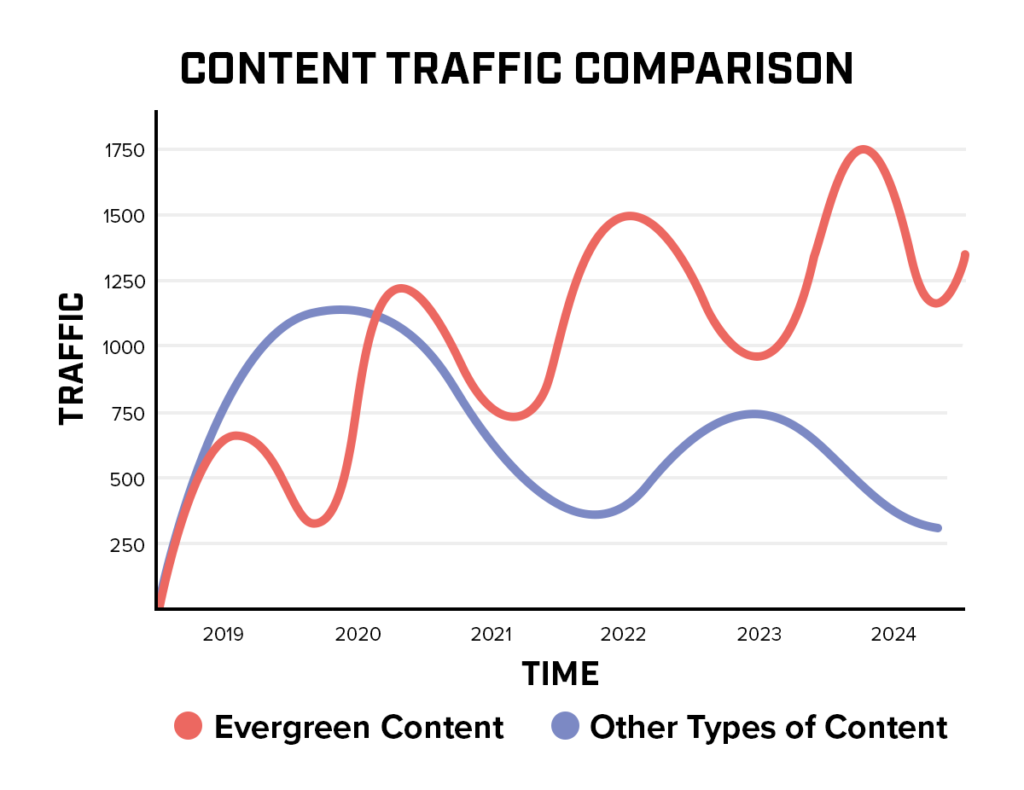
Evergreen vs. Trending Content
While both types of content align with an objective, their aims and lifespans differ significantly.
| Feature | Evergreen Content | Trending Content |
| Lifetime | Long-term | Short-term |
| Traffic base | Organic search | Social media, news websites |
| Content Updates | Occasional reboot | Often becomes irrelevant instantly |
| intention | Instruct, solve issues | Prioritize on current affairs |
How Evergreen Content Holds Consistent Traffic and Lead Generation
Evergreen content is outstanding in satisfying enduring customer requirements. When properly structured and optimised with the right keywords; Over time, it consistently shows up in search engine results pages (SERPs).
Benefits:
- constant traffic flow from organic search
- Improved SEO due to ongoing engagement and backlinks
- Reliable lead building as users return or share your content
- Reduced content burnout, meaning you get high return on your effort.
How to Find Durable Keywords
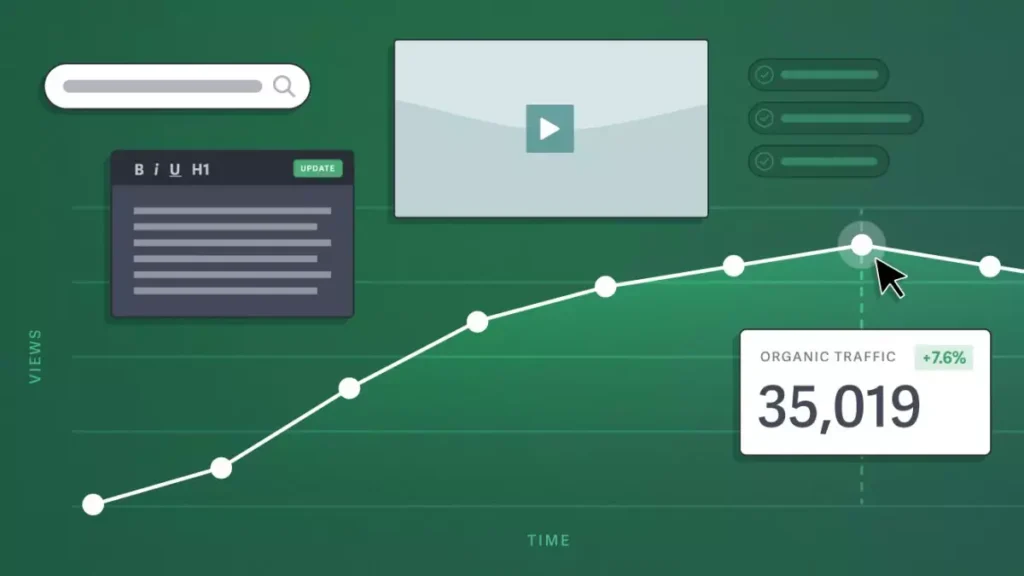
The grounding of effective evergreen content lies in keyword research. The focus must be on consistent problems, not temporary trends. Here’s how to find out these long-lasting keywords:
Steps of Keyword Research:
- Find out Core Topics: Focus on issues that your audience frequently faces.
- Use SEO Tools: Platforms like Google Keyword Planner, SEMrush or Ahrefs, helps to find stable search volumes.
- Look for High Search Volume with Low Competition: These are key factors of long-lasting interests.
- prevent Seasonal Phrases: avoid keywords that focus on particular events or dates.
- Check Autocomplete & “People Also Ask”: Google’s search suggestions display what people are consistently searching for.
Example Timeless Problems:
- How to make money
- How to decrease cost
- How to cook rice
- How to lose weight
Content language
When you are trying to craft content that is truly helpful, the golden rule is to keep your language easy and straightforward. If you lean too heavily on industry jargon, you risk shifting a clear idea into a confusing one that makes your regular readers into strangers . This can reduce its timeless worth.
Tips for Simple Communication:
- Write for generic audience, not just specialists
- Write short sentences and use active voices.
- Clarify necessary technical terms clearly
- Include visual aids like infographics and diagrams when helpful
Steps to Create Evergreen Content
1. Choose a Everlasting Subject
Select topics that are always relevant. Use keyword research to validate your selection.
2. Craft a Full-scale Outline
Arrange your post into clear sections. Use H2 and H3 headers for easy navigation.
3. Write with Depth and Clarity
Prepare detailed explanations, effective advice, and real-life examples. Think long-term usefulness.
4. Upgrade for SEO
Contain primary and secondary keywords naturally. Enhance images, meta tags and URLs.
5. Attach Internal Links
Link to other relevant content on your site to improve and maximize SEO and keep readers invested.
6. Use Evergreen Formatting
Avoid specific dates, outdated examples, or temporary references. Use clear, simple formatting.
7. Recheck
Examine clarity, grammar, and spelling mistakes. Double-check it’s simple to grasp.
When and How to Update Evergreen Content
Even evergreen content demands periodic refreshing to balance its competence and proficiency.
When to Update:
- New enhancements affect the topic
- Outdated data or information
- Broken links or unavailable media
- Decreasing traffic in analytics
How to Update:
- Add new sections or refresh current content
- Switch outdated examples or tools
- Update keywords and metadata
- Recheck internal and external links
- Repost with a renewed structure (without any change in the original URL)
Social Media Repurposing
To keep your evergreen content in circulation, reassign it for social media platforms.
Repurposing Ideas:
- Turn blog essentials into content slides or reels
- Generate infographics for Pinterest
- Share quotes or ideas on Twitter or LinkedIn
- Include stories to point to full blog posts
- Capture a short video summary for social media platforms like youtube and instagram
Posting Schedule:
- Share at frequent intervals (monthly/quarterly)
- Rotate separate formats to maintain engagement high
Enhancing Evergreen Content Through Market research And Feedback
To keep your evergreen content progressing and performing at its best, it’s important to see it as something that evolves over a long time. Regularly asking for feedback and keeping an eye on what your rivals do year after year lets you polish, renew, upgrade, and protect your content for a long time.

Collect and Improve Feedback
User response offers valuable insights into how well your content is delivering its purpose. It also emphasises areas for development, ensuring your content stays accurate, reliable, and engaging.
How to gather Feedback:
Comments: Turn on blog commenting for readers.
Surveys: Try adding some quick surveys or polls to see if your readers found the information helpful.
Heatmaps: Add tools like Crazy Egg and Hotjar to identify whether users click or scroll.
Email Response: Encourage feedback through your lead magnets or newsletter.
On-Page Ratings: Apply thumbs up/down clicks or a “Was this useful?” area at the end of posts.
How to Use Feedback:
- Address outdated or unclear sections.
- Elaborate content based on common user questions.
- Add diagrams, visuals or summaries where needed.
- Use frequent suggestions to create spin-off blog posts.
Observe Competitor Evergreen Posts
Learning how your competitors manage their evergreen content can give you a strategic lead. Gain insight from their successes—and their breaks.
How to Monitor:
SEO Tools: Use Ahrefs or Ubersuggest to see competitors’ top rated evergreen posts.
Google Alerts: Schedule alerts for key topics or competitor URLs.
Mapping content gaps: Identify keywords or topics they rank for that you haven’t covered
Change Tracking: oversee how they update and revise their valuable content over time.
How to Apply Insights:
- Generate content that is more structured, revised, or better designed.
- Add elements they’re missing, like video, infographics, or internal links.
- Develop a content calendar to refresh your own evergreen posts based on competitor action.
- find opportunities to write advanced, more recent editions of their high-ranking posts.
By regularly gathering feedback and staying conscious of professional standards, you assure your evergreen content lasts competitive, useful, and aligned with both user intent and search engine expectations.
Internal Linking to New Blog Posts
Internal linking boosts SEO and ensures your content network stays unified.
Best Practices:
Link from evergreen content to fresh related blog uploads.
Use descriptive anchor text for links.
Keep links contextually integrated and relevant.
Regularly audit and update links to verify accuracy.
Internal links not only help search engines to crawl your site but also enable readers with high value by leading them to additional content.
Final remarks:
Like a strategic gem, timeless content endures long after it has been shared. As a digital marketing freelancer, you can produce posts that are consistently relevant, rank highly, and generate traffic and leads by focussing on evergreen topics, employing simple language, and utilising efficient keyword research. Maintaining your evergreen content through effective internal linking, smart repurposing, and updates guarantees that it will continue to benefit your audience and your company’s milestone. Commit to producing content that will last so you can reap the rewards later.